.png)

My "perfect" cold calling pitch booked at 5%. My "I'm just a guy trying to help" approach booked at 25%. Same product, same prospects. Here's the strategic imperfection framework that makes you sound human on purpose.
January 2, 2026
Last updated: April 2026
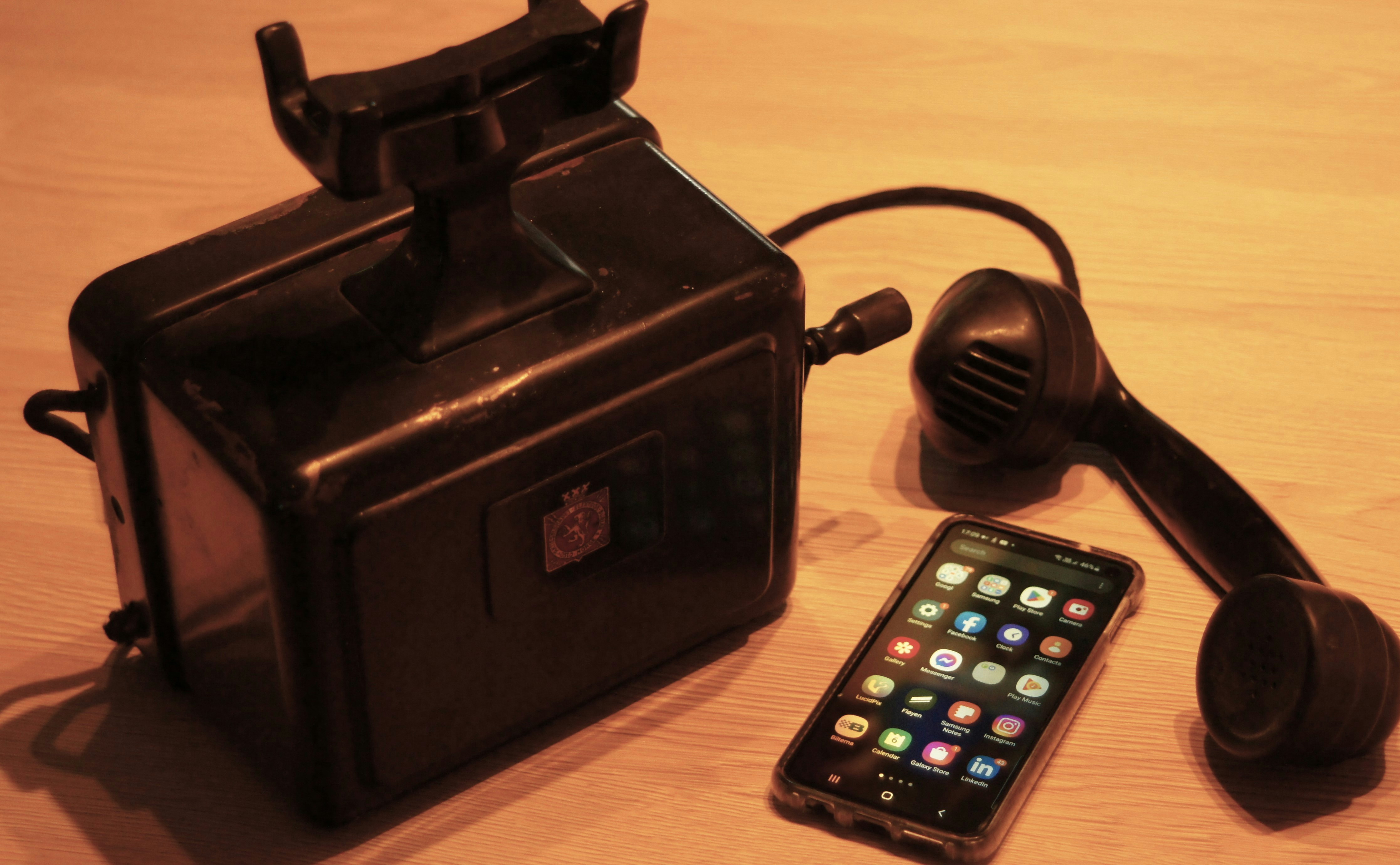
The Two Phones on My Desk (And Why the "Worse" One Books More Meetings)
Strategic imperfection in cold calling is the practice of deliberately sounding human — using natural pauses, occasional restarts, plain language, and conversational pacing — instead of delivering a polished, rehearsed pitch. Prospects make a snap judgment in the first three seconds of every call: "Is this a real person who might help me, or just another salesperson reading a script?" When you sound too perfect, their defenses go up instantly. When you sound like a colleague asking for directions, they stay on the phone. My "perfect" pitch booked at 5%. My strategically imperfect approach booked at 25%. Same product, same prospects.
The short answer: Perfect is the enemy of connection in cold calling. When your opener sounds rehearsed, the prospect categorizes you as "salesperson" within three seconds and shuts down. When you sound like a real person — with natural stumbles, actual breathing, and plain English — they hear "human who might help" and stay on the line. That's where appointments come from.
How Strategic Imperfection Transforms Your Results
Picture two phones on your desk.
Phone #1 makes perfect calls — every word rehearsed, never a stumble, sounds like a broadcast professional.
Phone #2 makes real calls — sometimes says "um," takes actual breaths, occasionally restarts mid-sentence.
Which phone books more appointments?
If you said Phone #1, you'd be dead wrong. And I've got 24 years of cold calling proof.
Your Prospect's 3-Second Decision
When you call a business owner, their brain makes ONE decision in the first 3 seconds: "Is this a human who might help me, or just another salesperson?"
Sound too perfect? Their wall goes up. Game over.
I learned this the hard way calling local businesses for advertising. My "perfect" pitch? 5% appointment rate. My "I'm-just-a-guy-trying-to-help" approach? 25% appointment rate.
Same product. Same prospects. Different human connection.
The research supports why this works. According to Gong's analysis of millions of sales calls, the optimal talk-to-listen ratio is 43% talking to 57% listening (Gong, 2025) — meaning the best calls feel like conversations, not performances. And Pipedrive cites Martin Seligman's research showing that optimistic, natural-sounding salespeople outsold their scripted counterparts by 57% at Metropolitan Life Insurance (Seligman, 1985). Authenticity isn't just a feel-good concept. It's a measurable sales advantage.
You Know You're Too Polished When:
Gatekeepers instantly snap "What's this about?" in THAT voice. Owners ask "How long will this take?" before you've said why you're calling. You get through your entire opening without taking a real breath. Every silence terrifies you so you fill it with more words.
Track your next 10 calls. Count these signals. That's your "robot score" — and it's killing your appointment setting results.
The Strategic Stumble
Being "unpolished on purpose" doesn't mean being unprepared. It means being strategically human.
Instead of: "Good morning, this is Joe calling from Automatic Appointments. We specialize in helping businesses optimize their customer acquisition through our proprietary appointment-setting system..."
Try: "Hey — uh — it's Joe. Quick context so this isn't random: we help a few shops in your area keep their phones ringing steady. Might be useful, might not — mind if I ask you two quick questions to find out?"
Which would YOU rather talk to?
Your Human Toolbox
Tool #1: The Stumble and Recover. "Hey, it's Sarah with — actually, let me give you quick context so this isn't weird..."
Tool #2: The Curiosity Pause. Ask a question. Then SHUT UP. Count to three. Let them actually answer.
Tool #3: The Restart. "Actually, let me back up. The real reason I'm calling is..."
Tool #4: Plain English. Don't say: "We provide solutions to optimize your pipeline." Say: "We get your phone ringing when work is slow."
This approach works whether you're setting appointments for merchant services, commercial cleaning, insurance, or advertising sales.
The Gatekeeper Game-Changer
Stop trying to trick them. Try this:
"Hey there — quick favor — who handles your community outreach stuff — like... um... marketing and things like that?"
When they ask what it's about: "Oh... um... sure... we're actually meeting with a few other businesses near you this week about getting more customers. Who would I want to talk to there?"
You just became a peer, not a pest. That's the same gatekeeper alliance principle — energy determines outcome before words do.
What MUST Stay Perfect vs. What Should Be Human
Keep these perfect: Your structure (Context → Questions → Sort → Close). Your specific times ("Tuesday at 10 or Wednesday at 2"). Your confirmation ("Can you click accept while we're on?").
Make these imperfect on purpose: Your opening words. Your transitions. One natural restart per call. Actual thinking pauses. Simple reactions like "fair enough" or "got it."
The Golden Rule
If you talk for 20 seconds straight without asking a question, you're performing, not conversing.
Your opener should be 8-12 seconds, then ask a question. This creates dialogue, not monologue — and dialogue books appointments. Research shows that 69% of buyers say the fastest way to improve the sales experience is simply to listen to their needs (Salesforce). You can't listen if you're performing a monologue.
Scripts That Sound Human and Book Meetings
When asking for the appointment: Not: "When can we schedule a comprehensive consultation?" But: "I've got Tuesday at 10 or maybe Wednesday at 2 — which works better, or should we skip it?"
When they say they're busy: "If 30 minutes feels heavy this week, we can do a quick 15-minute call just to see if it's worth talking more. Tuesday 10 or... Wednesday 2?"
That trailing pause before "Wednesday 2" is intentional. It sounds like you're actually checking your calendar, not reading a script. That's productive indifference in action — you're offering, not pushing.
The Psychology Behind Strategic Imperfection
Trust: Humans trust humans, not scripts. Safety: Imperfection signals authenticity. Connection: Real conversations create real relationships. Differentiation: You don't sound like every other sales development rep who called today.
After running teams that have booked hundreds of thousands of qualified appointments, here's what I know: perfect is the enemy of connection. And the moment you stop sounding like a salesperson, you start sounding like someone worth talking to.
The Bottom Line
Your prospects don't want to talk to a perfect robot. They want to talk to a real person who might actually help them.
The best appointment setters in the world don't sound perfect. They sound human. On purpose.
Stop performing. Start connecting.
Frequently Asked Questions
What is strategic imperfection in cold calling? Strategic imperfection is the deliberate practice of sounding human on sales calls — using natural pauses, occasional restarts, plain language, and conversational pacing instead of a polished, rehearsed pitch. It's not about being unprepared. It's about being strategically authentic. The structure of your call (context, questions, sort, close) stays perfect. The delivery — your opening words, transitions, and reactions — stays human.
Why does sounding "too perfect" kill cold calling results? Prospects make a snap judgment in the first three seconds: "Is this a real person or a salesperson reading a script?" A polished, broadcast-quality delivery triggers the "salesperson" classification, which activates defenses and leads to immediate brush-offs. A natural, conversational delivery triggers the "human who might help" classification, which keeps them on the phone. In tracked results, the "perfect" pitch booked at 5% while the strategically imperfect approach booked at 25%.
What are the four tools in the human toolbox for cold calling? The Stumble and Recover ("Hey, it's Sarah with — actually, let me give you quick context..."), the Curiosity Pause (ask a question, count to three, let them answer), the Restart ("Actually, let me back up — the real reason I'm calling is..."), and Plain English (say "we get your phone ringing" not "we optimize your customer acquisition pipeline"). Each tool makes you sound more like a colleague and less like a telemarketer.
What should stay perfect even when using strategic imperfection? Three things must stay polished: your call structure (Context → Questions → Sort → Close), your specific meeting times ("Tuesday at 10 or Wednesday at 2" — never "whenever works for you"), and your confirmation process ("Can you click accept while we're on the phone?"). These elements create professionalism and commitment. Everything around them — your opening words, transitions, reactions, and pacing — should sound natural and human.
How does strategic imperfection work with gatekeepers? Instead of a crisp, obviously scripted request ("May I speak with the owner please?"), try a natural, peer-to-peer approach: "Hey there — quick favor — who handles your community outreach stuff — like... um... marketing and things like that?" The slight hesitation and casual language signal that you're a colleague asking for directions, not a salesperson demanding access. Gatekeepers respond to energy before they process words, and imperfect energy reads as authentic.
About the Author: Joe Schneider is CEO of Automatic Appointments, a B2B appointment setting company that helps salespeople and business owners fill their calendars with qualified sales meetings. With 24 years of experience in cold calling, direct sales, and building appointment setting teams across dozens of industries, Joe writes about the strategies, mindset, and systems that drive real results on the phones. Learn more about our team.
Ready to stop cold calling and start closing? Automatic Appointments provides outsourced B2B appointment setting services — our team handles the prospecting, cold calling, and follow-up so your calendar stays full of qualified meetings. Schedule a call with our team or contact us here.
P.S. — Curious what your current sales activity is actually costing you? Plug in your numbers here for a free analysis.